
The History of Truckee: From Railroad Town to Lake Tahoe Destination
Written by Colin Tate
Colin writes for Tahoe Exclusive, offering local insight and tips to help visitors plan their perfect Lake Tahoe escape.
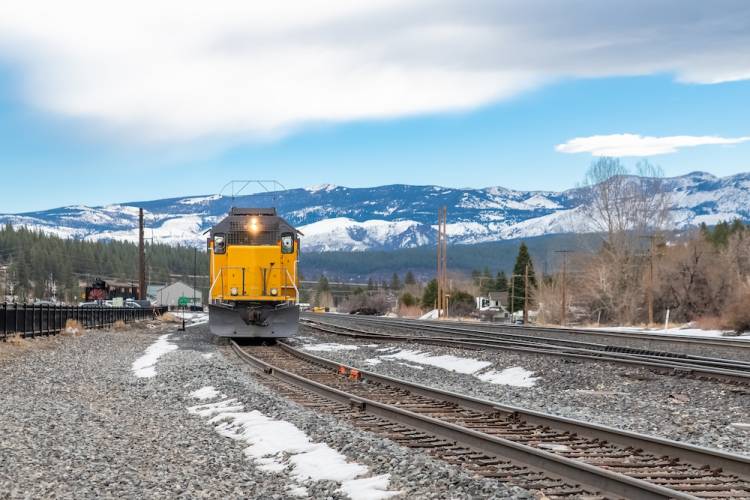
Long before vacationers came for ski weekends, summer hikes, or days at Lake Tahoe, Truckee was a rugged transportation hub shaped by the railroad, the lumber industry, and some seriously formidable winter weather. This small Sierra Nevada community’s history is still visible throughout town today, from its historic buildings and railroads to stories preserved by local museums and landmarks.
Truckee has undergone substantial changes over the past century and a half. It’s gradually become a popular year-round destination for vacationers seeking both leisure and adventure. Learning more about Historic Truckee offers a different perspective of the area and can easily explain why this mountain town consistently remains such a popular place for Lake Tahoe vacationers.
Looking for fun things to add to your vacation itinerary? Check out our Tahoe Area Guide!
In This Article:
- Before Truckee: Native American History in the Sierra
- The Donner Party and the California Trail
- The Railroad Turns Truckee into a Town
- From Lumber to Winter Recreation
- Hollywood Discovers Truckee
- Historic Downtown Truckee Today
- How Truckee Became a Lake Tahoe Vacation Destination
- Book Your Stay in the Truckee Area
- Frequently Asked Questions
Before Truckee: Native American History in the Sierra
The story of this land begins thousands of years before Truckee existed. Native American communities traveled the Truckee River region seasonally, benefiting from the area’s game, fish, plants, and other natural resources. Archeological findings, including petroglyphs, grinding stones, and arrowheads, document a long history of Indigenous presence in and around present-day Truckee.
The Washoe, Northern Paiute, and Maidu peoples all have historical connections to the broader Truckee-Tahoe area. The town's name is generally associated with Chief Truckee, a Paiute leader and guide who worked with emigrants traveling west in the 19th century.
This history is an important reminder that the Truckee area was far from an untouched wilderness when American settlers began arriving. The region’s trails and mountain passes had already been used by Indigenous people for generations.
The Donner Party and the California Trail
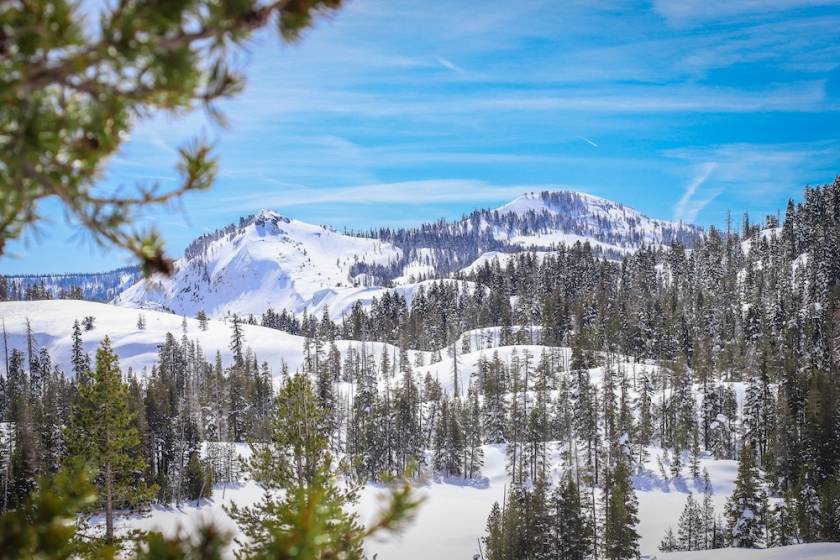
One of the most well-known chapters in Truckee history began in 1846, as members of the Donner Party traveled west along the California Trail. After taking a difficult route across the Great Basin, the group reached the Sierra Nevada late in the year and became trapped by heavy snowfall near what is now Donner Lake.
The tragedy became one of the most famous stories of westward migration in American history. Today, visitors can learn more about the Donner Party at Donner Memorial State Park, just west of central Truckee.
The experience also highlights the significance of the local geography. Donner Pass was a major route across the Sierra Nevada, and getting people, animals, supplies, and eventually trains over the mountains would shape Truckee’s development for decades to come.
The Railroad Turns Truckee into a Town
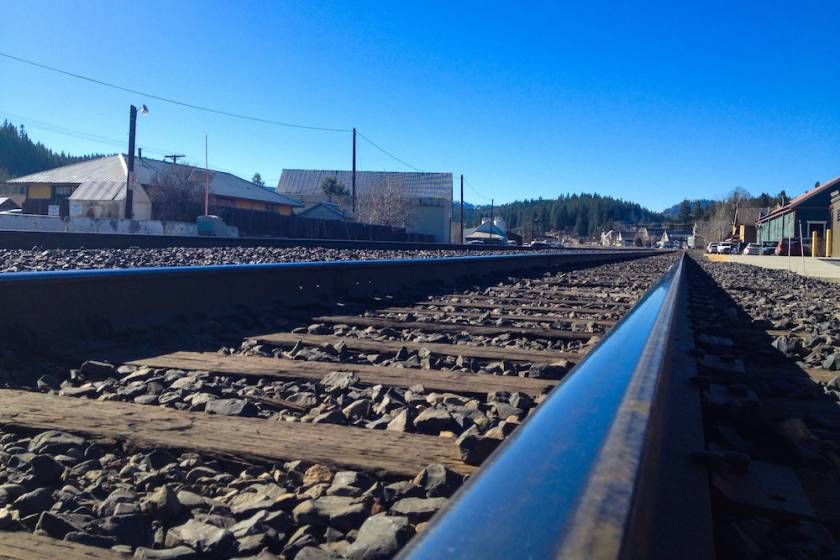
The arrival of the Central Pacific Railroad greatly accelerated the area’s development. Railroad construction crews reached Truckee in the late 1860s and were shortly followed by passenger and freight services. The young settlement quickly became an important staging point and supply outpost while crews built the railroad over Donner Pass.
By 1868, the settlement had officially taken the name Truckee. In June of the same year, the first train passed through the town. The quickly growing community already had dozens of buildings, including stores, saloons, and hotels.
The railroad crews included large numbers of Chinese immigrants, whose labor was essential in constructing the Transcontinental Railroad. These workers also established communities in Truckee, including several Chinatowns over time. Their contribution to the railroad and community is an often-overlooked element of the town’s early history.
From Lumber to Winter Recreation

Truckee initially proved to be a difficult place to build a permanent town. Repeated fires swept through the community in the late 19th century, destroying many buildings and forcing the residents to rebuild. During this same period, however, a new industry developed. Lumber became one of the area’s major focuses, helping fuel the town’s growth further.
Through the end of the 19th century, Truckee’s economy revolved heavily around timber supplies and transportation services along the railroad. By the early 20th century, a new industry began to emerge. Truckee began promoting itself as a destination for winter recreation. Visitors arrived by special excursion trains to ski, ride toboggans, ice skate, and enjoy the Sierra snow. The town quickly developed a reputation as a place where people could enjoy wintertime fun rather than just enduring harsh conditions. The climate that was so challenging in Truckee’s initial development became one of its biggest attractions.
Hollywood Discovers Truckee
Truckee’s beautiful scenery and consistent winter conditions also attracted another unexpected industry. As early as 1910, Hollywood filmmakers began shooting in the area. As of today, nearly 100 known movies have been filmed in and around Truckee.
The area’s combination of reliable snow, impressive landscapes, railroad access, and lodging options made it particularly useful for earlier projects. By the 1920s, local businesses were actively promoting Truckee as a filming location, and productions brought teams of directors, actors, and movie crews to town.
Among the better-known films associated with the area are The Gold Rush, The Call of the Wild, Island in the Sky, St. Elmo's Fire, and True Lies.
Historic Downtown Truckee Today
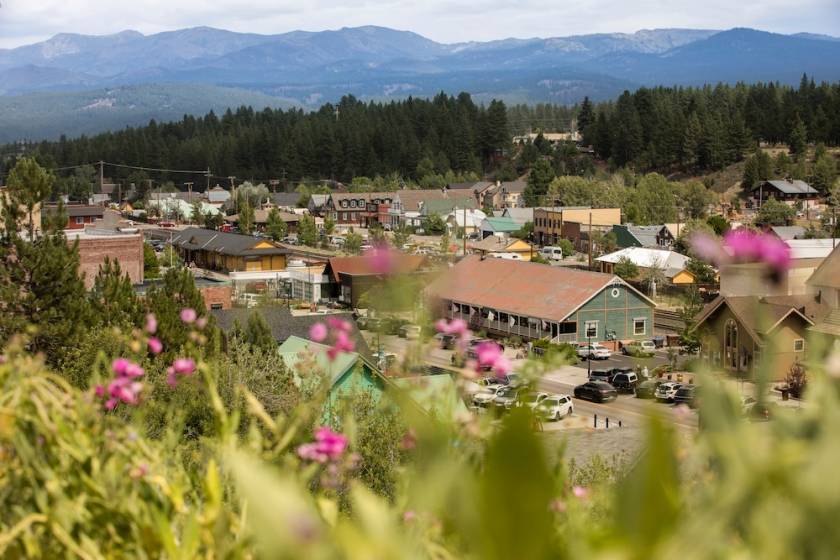
Much of the history covered above remains very much visible in Downtown Truckee, California, today. Visitors walking through the historic commercial district will find plenty of restaurants, shops, and other businesses occupying buildings that reflect the community’s railroad-era past. Historic Downtown Truckee’s appearance isn’t just a backdrop for modern tourists. The buildings instead tell the story of a community that persevered through fires, harsh winters, and economic challenges that came with the eventual decline of rail travel.
For visitors interested in a deeper look, the Museum of Truckee History explores the factors that allowed the town to survive while other railroad communities vanished. Housed in the historic train depot, this museum features artifacts, models, photographs, and interactive exhibits that examine Truckee’s history and development.
The nearby Old Truckee Jail Museum offers another look at the town’s early years. Built in 1875, this archive highlights the town’s railroad and lumber histories, along with profiles of some of the notorious Old West characters who passed through.
How Truckee Became a Lake Tahoe Vacation Destination
Truckee’s evolution into a premier vacation destination accelerated as improved roads and automobiles made the Sierra easier to reach. The biggest boost came in 1960, when the Winter Olympics were held at Squaw Valley, or Palisades Tahoe, roughly ten miles south of Truckee. This event brought international attention to the Truckee-Tahoe region and helped cement its reputation as a winter sports destination.
That legacy is easy to see today, with skiing and snowboarding drawing visitors from all over the country each winter. The area also developed into a popular vacation spot in the summer months, with plenty of hiking, mountain biking, and fishing easily accessible around Lake Tahoe.
Book Your Stay in the Truckee Area

Featured Property: Stellar Residence, Northstar 14227
Whether you’re planning a winter ski trip, a summer adventure at Lake Tahoe, or a deep dive into Truckee’s incredible history, you’ll need the perfect place to call home during your stay. At Tahoe Exclusive, we’d love to help you find your dream mountain headquarters. Browse our selection of ski-in/ski-out retreats, pet-friendly getaways, and more to find the Tahoe vacation rental that’s best for you and your crew!
View All Tahoe Vacation Rentals
Frequently Asked Questions
What movies were filmed in Truckee?
Nearly 100 known movies have been filmed in and around Truckee. Notable examples include The Gold Rush, The Call of the Wild, Island in the Sky, St. Elmo's Fire, and True Lies.
Can visitors explore Truckee's history without visiting a museum?
Absolutely! While we recommend checking out the local museums, walking through Historic Downtown Truckee, visiting Donner Memorial State Park, or exploring the area's old railroad routes are all great ways to see Truckee’s history.
What Native American tribes lived in the Truckee area?
The Truckee-Tahoe region has long-standing connections to the Washoe, Northern Paiute, and Maidu peoples. These Indigenous groups used the Sierra Nevada seasonally for hunting, fishing, gathering, travel, and trade for thousands of years.
Categories: