
5 of the Best North Lake Tahoe Hikes from Easy to Difficult
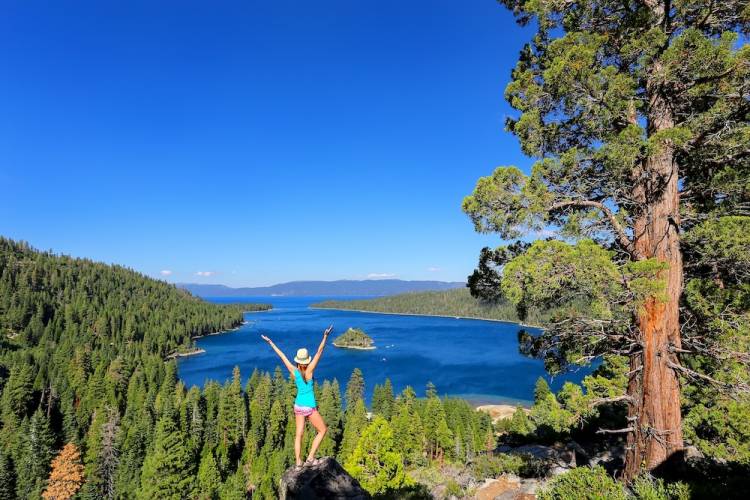
by Jennifer Jeffcoat
Jennifer writes for Tahoe Exclusive, sharing travel tips, top to-dos, and the best places to stay when you vacation in North Lake Tahoe.
North Lake Tahoe is one of the best home bases for hikers in the Sierra Nevada. Within a short drive of Tahoe City, Truckee, and the west shore, you'll find trails that wind through wildflower meadows, climb to alpine lakes, and top out on granite summits with views stretching across the entire basin. Whether you're looking for a short walk before dinner or an all-day trek that earns a well-deserved soak in the hot tub, our team has put together this guide to help you plan your next hike. Check it out below and start planning your next Lake Tahoe getaway.In This Article
- What to Wear Hiking in North Lake Tahoe
- What Are the Must-Do Hikes in Lake Tahoe?
- What to Bring on a North Lake Tahoe Hike
- What Should I Watch Out For on Lake Tahoe Hiking Trails?
- Where to Stay During Your North Lake Tahoe Hiking Trip
- FAQs
What to Wear Hiking in North Lake Tahoe
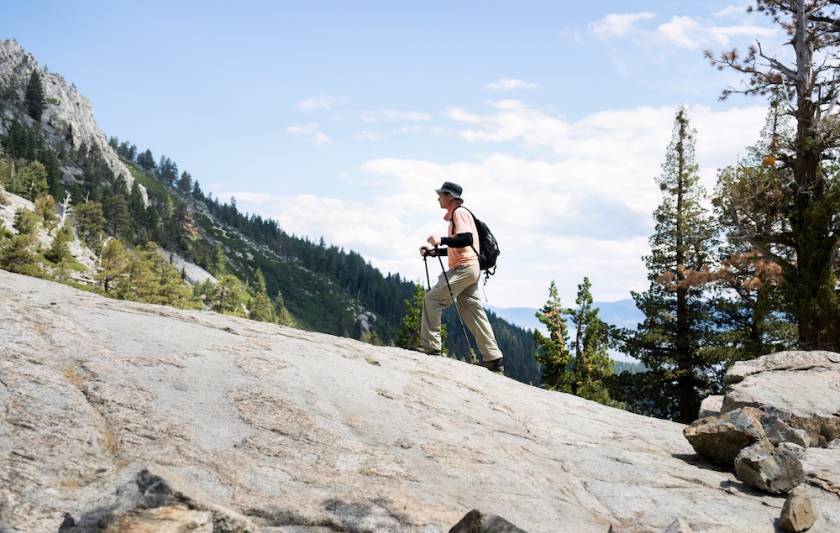
Weather in the Sierra Nevada Mountains can shift quickly, even in the middle of summer, thanks to the altitude and the lake, so dressing in layers is the smartest approach.
- Moisture-wicking base layer: Cotton holds onto sweat and can leave you cold once the sun dips behind the ridgeline. Synthetic or wool fabrics dry faster and regulate temperature better.
- Insulating mid-layer: Mornings in North Lake Tahoe often start in the 40s, even in July. A fleece or lightweight puffy jacket is easy to stash in a pack once the day warms up.
- Wind or rain shell: Afternoon thunderstorms are common in the summer months, especially at higher elevations like Ellis Peak or Donner Peak. A packable shell takes up almost no space and can save a hike.
- Sturdy hiking shoes or boots: Many North Lake Tahoe trails include loose granite, roots, and rocky sections near summits. Trail runners work fine for shorter, easier routes, but ankle support is worth it on longer or steeper trails.
- Sun protection: A hat and polarized sunglasses go a long way at elevation, where UV exposure is stronger than it is at sea level.
What are the must-do hikes in Lake Tahoe?
We've rounded up five North Lake Tahoe trails that cover the full range of difficulty, so there's something here whether you're hiking with kids or training for a bigger climb. All of these trails are currently open and accessible.
Paige Meadows Loop
Just outside Tahoe City, the Paige Meadows Loop winds through a series of open, sun-drenched meadows framed by pine forest. Wildflowers are abundant here from June through August, and the flat, easy terrain makes it a favorite for families and casual hikers alike. The trailhead sits at the end of Silver Tip Road, with additional access points off Ward Creek Road.
- Hike length: 3.3 miles, loop (5.2 if combined with larger Tahoe Rim Trail section)
- Difficulty: Easy (for the loop section)
- Elevation gain: 226 feet (for loop section)
- Trail Map
Eagle Rock Trail
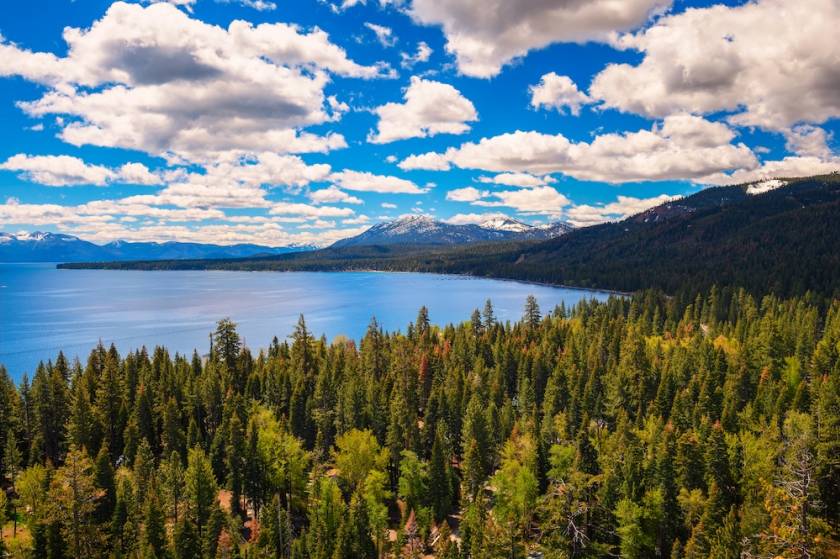
Eagle Rock is one of the shortest hikes on this list, but it delivers one of the best payoffs. The trail climbs through forest before reaching the exposed summit of an ancient volcanic plug, where nearly the entire lake comes into view. The final stretch to the top involves loose rock and a steep push, so wear shoes with good traction—this is also why some resources rate it as moderate difficulty, but with the exception of that final, short push, it’s quite easy. The trailhead is located along State Route 89, between Tahoe City and Homewood.
- Hike length: 0.8 miles, loop
- Difficulty: Easy (with a brief steep, rocky section near the summit)
- Elevation gain: 236 feet
- Trail Map
Five Lakes Trail
Starting from Alpine Meadows Road in Olympic Valley, the Five Lakes Trail climbs steadily through the first mile before leveling out near a cluster of small alpine lakes. It's one of the most popular trails on the north shore, so expect company, but the lakes offer plenty of room to spread out for swimming, fishing, or simply relaxing with a view of the surrounding granite peaks.
- Hike length: 4.9 miles, out-and-back
- Difficulty: Moderate
- Elevation gain: 1,092 feet
- Trail Map
Donner Peak Trail
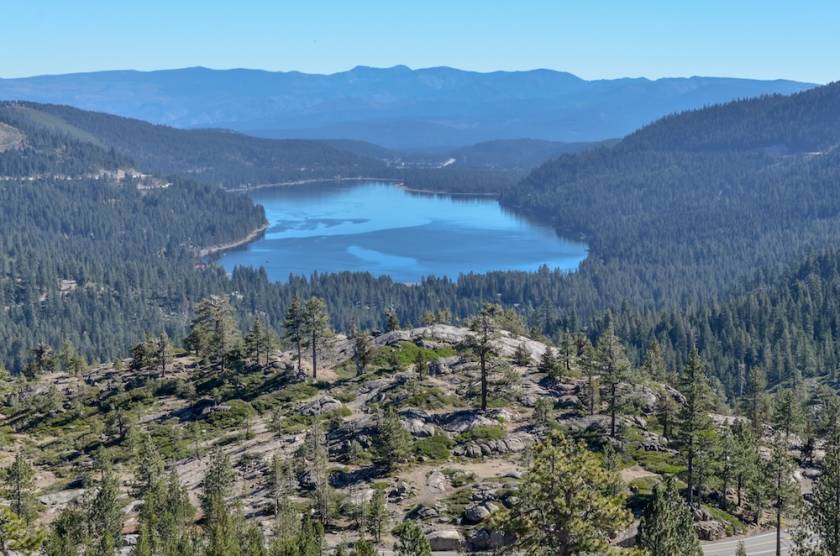
Near Donner Pass and the town of Truckee, this trail follows a section of the Pacific Crest Trail before a short spur leads to the summit of Donner Peak. From the top, hikers get sweeping views of Donner Lake, Donner Pass, and the surrounding peaks of Tahoe National Forest. The route includes some scrambling near the summit and rocky footing throughout, so trekking poles are a good idea, especially for the descent.
- Hike length: 3.8 miles, out-and-back
- Difficulty: Moderate
- Elevation gain: Just under 1,000 feet
- Trail Map
Ellis Peak via Buck Lake and Ellis Lake Trail
For hikers looking for a real challenge, Ellis Peak delivers. Starting from Barker Pass Road on the west shore, the trail climbs steadily to Ellis Lake before a final push to the 8,740-foot summit of Ellis Peak. The views from the top are some of the best in the entire basin, taking in Lake Tahoe, Desolation Wilderness, and the Granite Chief Wilderness in a single sweep. This is a long day on the trail, so plan accordingly and get an early start. After this one, come home to your Tahoe vacation rental’s private hot tub and enjoy a well-deserved soak.
- Hike length: 7.3 miles, out-and-back
- Difficulty: Difficult
- Elevation gain: 2,070 feet
- Trail Map
What to Bring on a North Lake Tahoe Hike
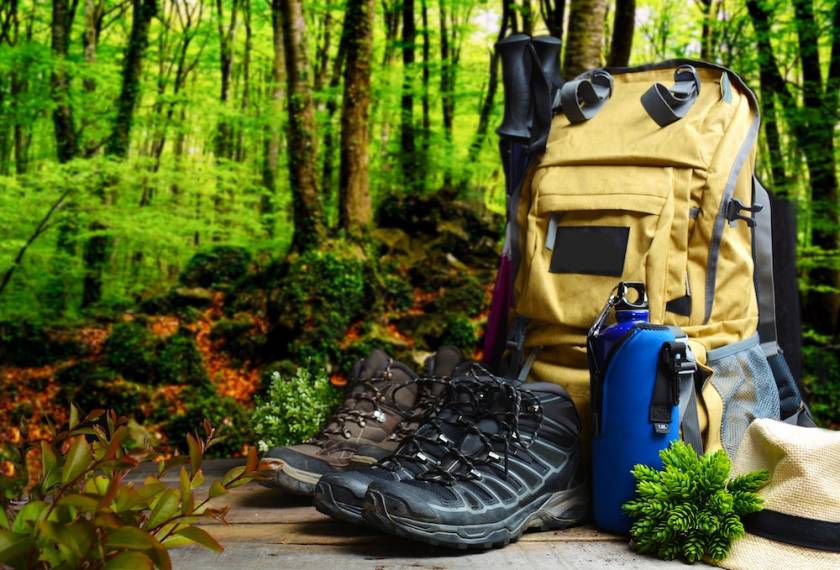
A little preparation makes a big difference on North Lake Tahoe hiking trails, where cell service is spotty and the nearest help can be a while away.
- Water: Plan on at least half a liter per hour of hiking, more on hot days or longer routes. Many trails on this list don't have reliable water sources, so bring what you'll need.
- Snacks or a packed lunch: Trail mix, energy bars, and fruit travel well and keep energy levels steady on longer hikes.
- Navigation: Download an offline map through AllTrails or a similar app before you leave, since cell coverage disappears quickly once you're in the forest.
- Sunscreen and a first aid kit: Basic supplies like blister pads, adhesive bandages, and an ace wrap can turn a minor issue into a non-issue.
- A headlamp or flashlight: Even if you plan to be back before dark, conditions and pace can change. A small light is cheap insurance.
- Bear spray (optional but recommended for longer or more remote trails): This is more of a backcountry precaution than a requirement for shorter, well-traveled routes, but some hikers carry it on trails like Ellis Peak.
- A trash bag: Pack out what you pack in, including food scraps—even those you think will break down. They can take longer than you’d think, and no one wants to hike past discarded food.
What Should I Watch Out For on Lake Tahoe Hiking Trails?
The Sierra Nevada is home to black bears, mountain lions, and, increasingly, gray wolves, which have been documented moving through parts of the Sierra and Northern California in recent years. Encounters are uncommon, but a little wildlife awareness keeps both hikers and animals safe.
- Keep your distance. Wildlife officials generally recommend staying at least 100 yards away from bears and mountain lions, and giving any wildlife plenty of room to move away on its own. Never approach an animal to get a closer photo.
- Make noise on the trail. Talking, clapping, or hiking in a group helps alert bears and mountain lions to your presence well before you're close, which usually causes them to move off before you even see them.
- Store food properly. If you're picnicking or taking a break, keep food sealed and within arm's reach. Never leave food unattended on the trail or at a trailhead.
- If you see a bear: Stay calm, do not run, and back away slowly while speaking in a firm, calm voice. Give the bear an obvious escape route and never get between a mother and her cubs.
- If you see a mountain lion: Do not run, since this can trigger a chase instinct. Make yourself appear larger by raising your arms or opening your jacket, maintain eye contact, and back away slowly. Pick up any children or pets you’re hiking with and make sure the animal has a clear path away from you.
- If you see a wolf: Wolves are typically wary of humans and will usually leave the area on their own. Keep dogs leashed, do not approach, and give the animal space.
- Leash your dog. This protects your pet from wildlife encounters and protects other hikers and animals from your dog. Also, double-check that trails are pet-friendly before heading out.
- Report sightings. If you see a bear, mountain lion, or wolf behaving unusually, report it to the local ranger district or the California Department of Fish and Wildlife.
Where to Stay During Your North Lake Tahoe Hiking Trip

Featured Property: Sutter's Trail
North Lake Tahoe's trails are one of the biggest reasons guests keep coming back year after year, and staying nearby means more time on the trails and less time in the car. When you're ready to reserve your summer hiking trip, book directly with Tahoe Exclusive Vacation Rentals for the best rates, local recommendations, and a home base that puts all of these hikes within easy reach. Choose from pet-friendly stays, homes with private hot tubs, or, if you’re already looking toward winter, get first dibs on ski-in/ski-out vacation rentals!
See All Tahoe Vacation Rentals
Frequently Asked Questions
What is the easiest hike in North Lake Tahoe?
Paige Meadows Loop and Eagle Rock Trail are both excellent choices for an easy hike. Page Meadows offers flat terrain, while Eagle Rock is short with a quick, if steep, climb to a big payoff view.
Do I need a permit to hike in North Lake Tahoe?
Most day hikes in North Lake Tahoe, including all five trails in this guide, do not require a permit. Some trailheads do require a parking pass or fee, so it's worth checking current trailhead signage or the local ranger district before you go.
When is the best time of year to hike in North Lake Tahoe?
Most North Lake Tahoe trails are in the best condition from June through October, once snow has melted at higher elevations. Wildflowers tend to peak in late June and July, while fall brings cooler temperatures and changing foliage.
Are dogs allowed on North Lake Tahoe hiking trails?
Yes, dogs are welcome on all five trails in this guide, though leash rules vary by trail and should be followed for the safety of your pet and local wildlife.
Is cell service available on these trails?
Cell service is unreliable or nonexistent on most North Lake Tahoe trails, especially once you're away from major roads. Download an offline trail map before you go.
What should I do if I see a bear, mountain lion, or wolf while hiking?
Stay calm, do not run, and give the animal plenty of space to move away on its own. Back away slowly, avoid direct eye contact with a bear, and make yourself appear larger if you encounter a mountain lion. Report any unusual sightings to the local ranger district.
Categories: